
Summary of Key Points
- The first month focuses on assessment, relationship-building, and setting individualized goals.
- A Board Certified Behavior Analyst (BCBA) conducts a thorough evaluation before therapy begins.
- Goals are developed collaboratively with your family to reflect your child’s real daily needs.
- Early sessions prioritize trust-building between your child and their therapist.
- Parent involvement from the start accelerates and reinforces your child’s progress.
- Visible results often emerge over weeks, and patience with the foundation-building phase pays off.
Starting ABA therapy can feel like stepping into unfamiliar territory. Most parents arrive with questions about what their child will be doing, what the therapist will focus on, and how soon they will see results. That uncertainty is completely normal.
The first month of ABA therapy is a foundation-building phase. It is less about visible milestones and more about understanding your child deeply enough to create a program that actually works. Here is what that process typically looks like.
The Initial Assessment Comes First
Before any therapy sessions begin, a Board Certified Behavior Analyst (BCBA) conducts a comprehensive assessment of your child. This typically involves direct observation in your child’s natural environment, conversations with parents and caregivers about daily routines, and standardized tools to evaluate communication, social, and adaptive skills.
The goal is to build a detailed picture of where your child is right now and which skills will make the biggest practical difference in their daily life. This assessment is not a test your child can pass or fail. It is simply a starting point.
Goals Are Developed Together With Your Family
Once the assessment is complete, your BCBA will work with you to develop an individualized treatment plan. These goals reflect your child’s specific needs, strengths, and the areas where growth would be most meaningful.
You should expect to review these goals, ask questions, and share your own priorities as a family. Your input is not just welcome, it shapes the entire direction of your child’s program.
Therapy Sessions Begin Gradually
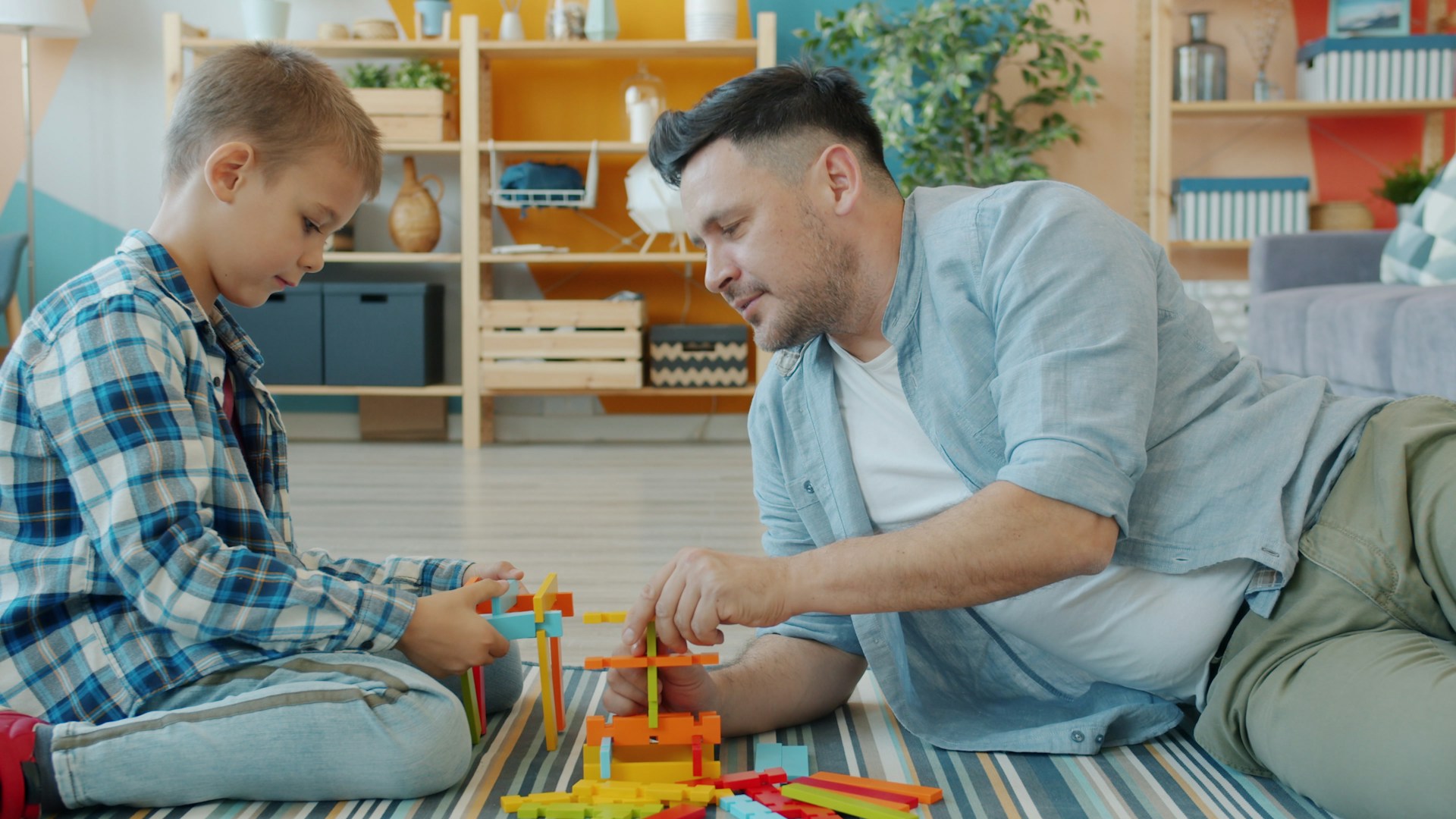
In the first few weeks, sessions are often shorter and focused on building rapport between your child and their therapist. This relationship matters. Children engage more fully with people they feel comfortable around, and moving into intensive instruction before that trust is in place rarely leads to strong outcomes.
During this time, the therapist is also observing how your child responds, including what motivates them, what challenges them, and what conditions help them settle and engage. That information directly shapes how the program evolves.
 Parents Play an Active Role From Day One
One of the most valuable things you can do during the first month is stay closely involved. Watching sessions when possible, asking your therapist to walk you through techniques, and practicing skills with your child between appointments all accelerate progress. Parent training and coaching is a built-in part of how Lighthouse ABA works because the hours your child spends with their therapist are most powerful when the rest of the day reinforces what they are learning.
What You May Not See Right Away
It is natural to watch early sessions and wonder when things will shift. Progress in ABA therapy is not always immediately visible. In the first month, the most important work is happening beneath the surface. Your child’s team is calibrating their approach, building trust, and identifying the strategies that work best for your individual child.
Meaningful behavioral change usually emerges over weeks, not days. Staying patient with this phase, and staying in close communication with your BCBA, puts your child in the best position for lasting progress.
Frequently Asked Questions About Starting ABA Therapy
How long does the initial assessment take?
Most assessments take one to three sessions depending on your child’s needs and how much information is already available. Your BCBA will keep you informed throughout and explain what they are observing.
Will my child do well in ABA therapy?
Many children adapt to ABA therapy quickly, especially in a home environment where they already feel safe and comfortable. Early sessions are intentionally low-pressure and designed to move at your child’s pace.
How will I know if the program is working?
Your BCBA will track your child’s progress across each goal and share updates with you regularly. If a strategy is not producing the expected results, the program is adjusted. ABA is a data-driven approach, which means decisions are based on what your child actually shows, not guesswork.
What if my child has a hard time in the first few sessions?
Some children need more time to adjust than others, and that is completely expected. Your therapist is trained to work through these moments, and your BCBA will adapt the approach as needed. Early difficulty does not predict long-term outcomes.

Starting ABA Therapy With Confidence in New York and North Carolina
The first month sets the tone for everything that follows. Families who come in ready to ask questions, stay engaged, and give the foundation-building phase the time it needs tend to see the strongest results. If you are ready to explore ABA therapy services for your child, Lighthouse ABA serves families in New York and North Carolina with no waitlist and a team ready to start when you are. Connect with us here to take the first step.


One Comment