

Key Points:
- Stimulus control transfer guides a child to respond to natural cues instead of prompts, promoting genuine independence and skill generalization.
- The process involves fading prompts and transferring control from one stimulus to another so behaviors happen in real-life settings.
- With thoughtful planning and reinforcement, stimulus control transfer helps skills learned in therapy translate into everyday opportunities for children.
When a child learns a new skill under a prompt, such as a verbal cue or hand-over-hand guidance, the behavior may only happen in that specific teaching moment. This is where stimulus control transfer comes into play for those using applied behavior analysis (ABA): it helps shift the control of the behavior from the prompting cue to the natural cue that occurs in daily life.
In this article, you will gain a clear understanding of what stimulus control transfer means, why it matters, how it works step-by-step, and how you (as a caregiver or educator) can support this process so your child responds to real-world cues rather than just structured prompts.
Understanding the Basics: What is Stimulus Control?
Stimulus control refers to when a specific antecedent (cue or stimulus) reliably triggers a behavior because it signals that reinforcement is available. In other words, a child behaves in the presence of that cue and not otherwise.
The Concept of Stimulus Control
In behavior analysis, when we say a behavior is under stimulus control, it means the presence of a specific discriminative stimulus (SD) signals the correct behaviour should occur. For example, a child may always say “ball” when shown a picture of a ball because the picture has become the SD for the response. Studies define stimulus control as behaviour that occurs in the presence of S^D and not in its absence.
Why It Matters in Everyday Learning
If a behavior only occurs in response to a specific prompt or cue used in therapy, it may not transfer to real-life situations. Without shifting to cues that naturally occur in the environment, the child may struggle to respond independently. Stimulus control sets the stage for transfer of control.
 What is Stimulus Control Transfer?
Stimulus control transfer involves shifting the cue that triggers a behavior from an artificial prompt to a naturally occurring stimulus, so the behavior happens independently in various settings.
Definition and Practical Meaning
At its core, stimulus control transfer in ABA means moving control of a behavior from one stimulus to another. Initially the response happens under control of a prompt or teaching cue, but over time, it comes under control of a more natural, meaningful cue.
Why It’s Important for Independent Learning
For children to apply what they learn in therapy to everyday life, the behavior must be cued by the environment, not just by a therapist’s prompt. Stimulus control transfer ensures the skill is flexible and functional.
Example to Illustrate
Imagine a child is taught to say “dog” when the therapist says “Say dog.” The initial prompt (“Say dog”) controls the behaviour. Through transfer procedures, control shifts so that when the child sees a dog in the park (natural cue), they say “dog” without needing the therapist’s prompt. This shows a change in stimulus control from verbal prompt to dog sight of dog.
 How Stimulus Control Transfer Works
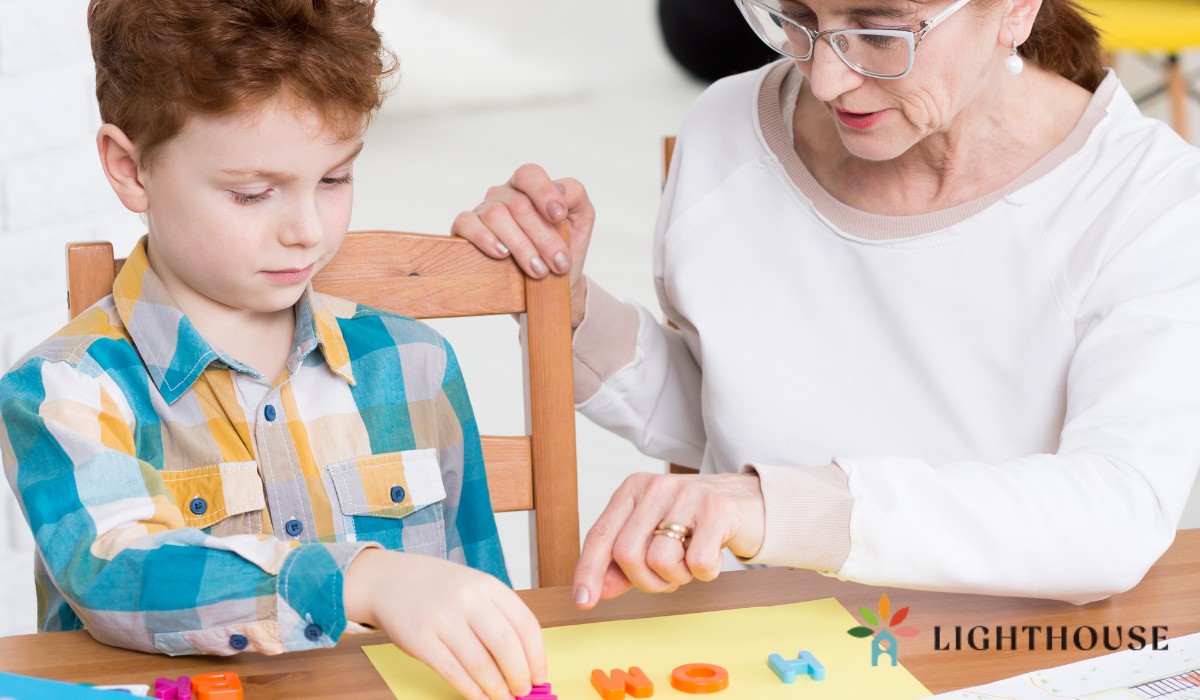
The process uses systematic methods, such as prompt fading, delay, and stimulus fading—to gradually withdraw artificial cues and strengthen control by natural stimuli, while reinforcing correct responses under the new cue. There are several commonly used procedures to transfer stimulus control:
Prompt Fading
This involves gradually reducing the level, type, or intensity of the prompt so that the learner begins responding to the target stimulus alone. For example, moving from hand-over-hand to a verbal prompt to no prompt.
Delayed Prompting (Prompt Delay)
Here, the cue is still present, but the prompt is delayed to allow the child an opportunity to respond independently before assistance arrives. Over time the delay increases until the prompt is removed.
Stimulus Fading
This method involves gradually fading or removing additional cues (visual, gestural, or extra elements) paired with the target stimulus so that the response comes under control of the relevant natural cue alone.
Step-by-Step Implementation
- Identify the target behavior and the current controlling stimulus (often a prompt).
- Determine the natural cue (natural stimulus) to which you want the child to respond in daily life.
- Introduce the target stimulus in a controlled setting with the prompt so the behavior occurs reliably.
- Begin transfer procedures: fade prompts or cues using the above methods while presenting the natural cue.
- Reinforce correct responses when the child responds under the new cue without the artificial prompt.
- Monitor and generalize: ensure the behavior occurs across people, settings, and stimuli so it becomes robust.
Common Pitfalls to Avoid
If the prompt is faded too quickly, the child may fail to respond and progress stalls. Over-reliance on the prompt can create “prompt dependency,” preventing transfer. Also, if the natural cue is too dissimilar from the prompt or teaching stimuli, generalization may fail.
 Practical Tips for Caregivers and Educators
To support stimulus control transfer at home or school, consistency in cue use, deliberate fading steps, positive reinforcement for independent responses, and generalization across contexts are key.
Tips You Can Apply
- Use clear natural cues whenever possible. For example if you want the child to drink water when thirsty, have the cup visible, then fade the verbal prompt “Drink water.”
- Break down the fading into small steps, reducing prompts gradually rather than removing them all at once.
- Reinforce the behavior every time the child responds to the natural cue without the prompt. This reinforcement strengthens the new cue-behavior link.
- Practice in multiple settings and with different people (parents, siblings, teachers) so the child learns the behavior under the natural cue across contexts.
- Monitor for signs the child still needs the prompt—if accuracy drops, consider slowing down the fade and providing additional reinforcement.
- Collaborate with educators or therapists to ensure consistency in how cues and prompts are presented and faded across environments.
When to Seek Professional Support
If the child is unable to respond to the natural cue despite repeated fading attempts, a trained ABA professional can review the prompt fading strategy, check discrimination of stimuli, and adjust procedures accordingly.
Real-Life Applications of Stimulus Control Transfer
Stimulus control transfer is used in teaching communication, daily living skills and social behaviours, enabling a child to perform tasks without prompts and respond to everyday cues independently.
Communication Skills
For non-verbal or emerging communicators, initial prompts (like picture cards or verbal cues) may evoke requests. Through stimulus control transfer, the child begins to request items when they see or need them without the prompt. For example, the sight of a juice bottle becomes the cue rather than a picture-card prompt.
Daily Living and Self-Care Skills
Behaviours like brushing teeth, putting on a coat, or tying shoelaces can start with intensive prompting. Over time, the natural cue (seeing the toothbrush, feeling a breeze) takes over control so the child completes the task independently.
Classroom and Social Settings
In a school context a child may be prompted to raise their hand. Through transfer procedures, the natural cue of the teacher pausing or looking at the child becomes the discriminative stimulus for raising the hand, reducing the reliance on explicit prompts.
 Encouraging Independence Through Stimulus Control Transfer
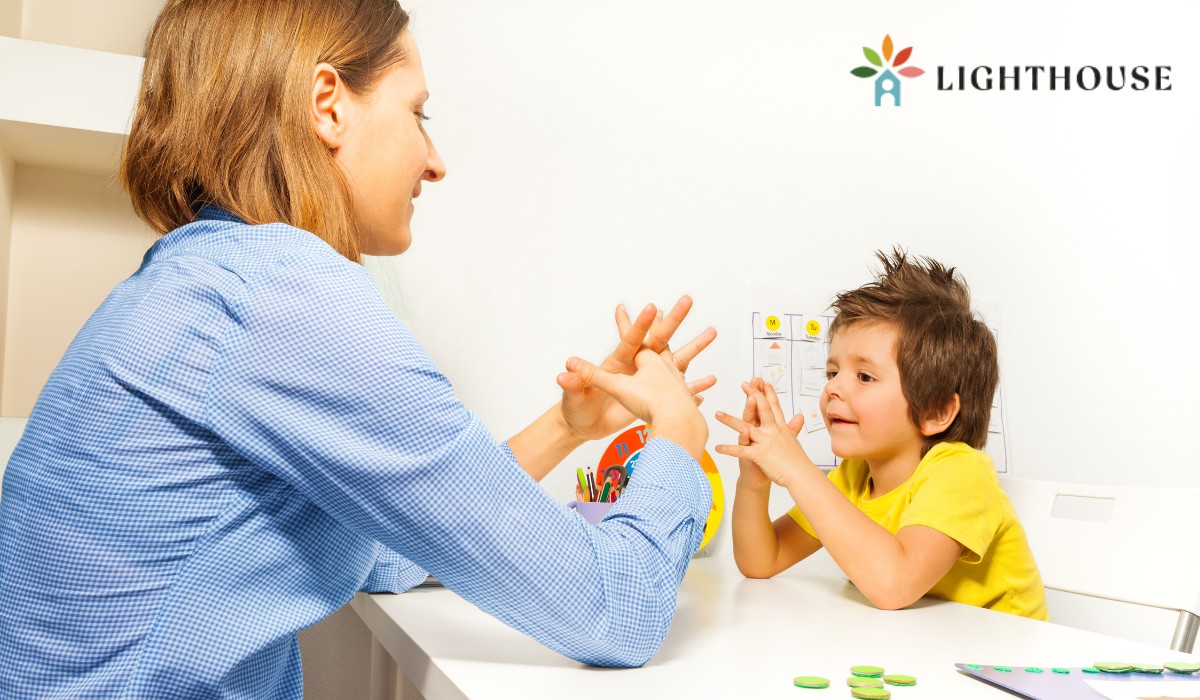
Consistency and understanding are key to helping children with autism apply learned behaviors in different settings, a concept known as stimulus control transfer in ABA therapy. This process ensures that positive behaviors, once taught, become natural and adaptable across various environments.
At Lighthouse ABA, our therapists specialize in creating seamless transitions from structured learning to real-world application. Through individualized strategies, we help children generalize skills like communication, social interaction, and self-regulation, fostering independence beyond therapy sessions. Parents play an integral role in this process, and we work collaboratively to ensure progress continues at home and school. Serving families in New York and North Carolina, Lighthouse ABA is committed to guiding each child toward lasting success. Contact us today to learn how our expert-led ABA programs can help your child apply new skills confidently across every part of life.