
Key Takeaways:
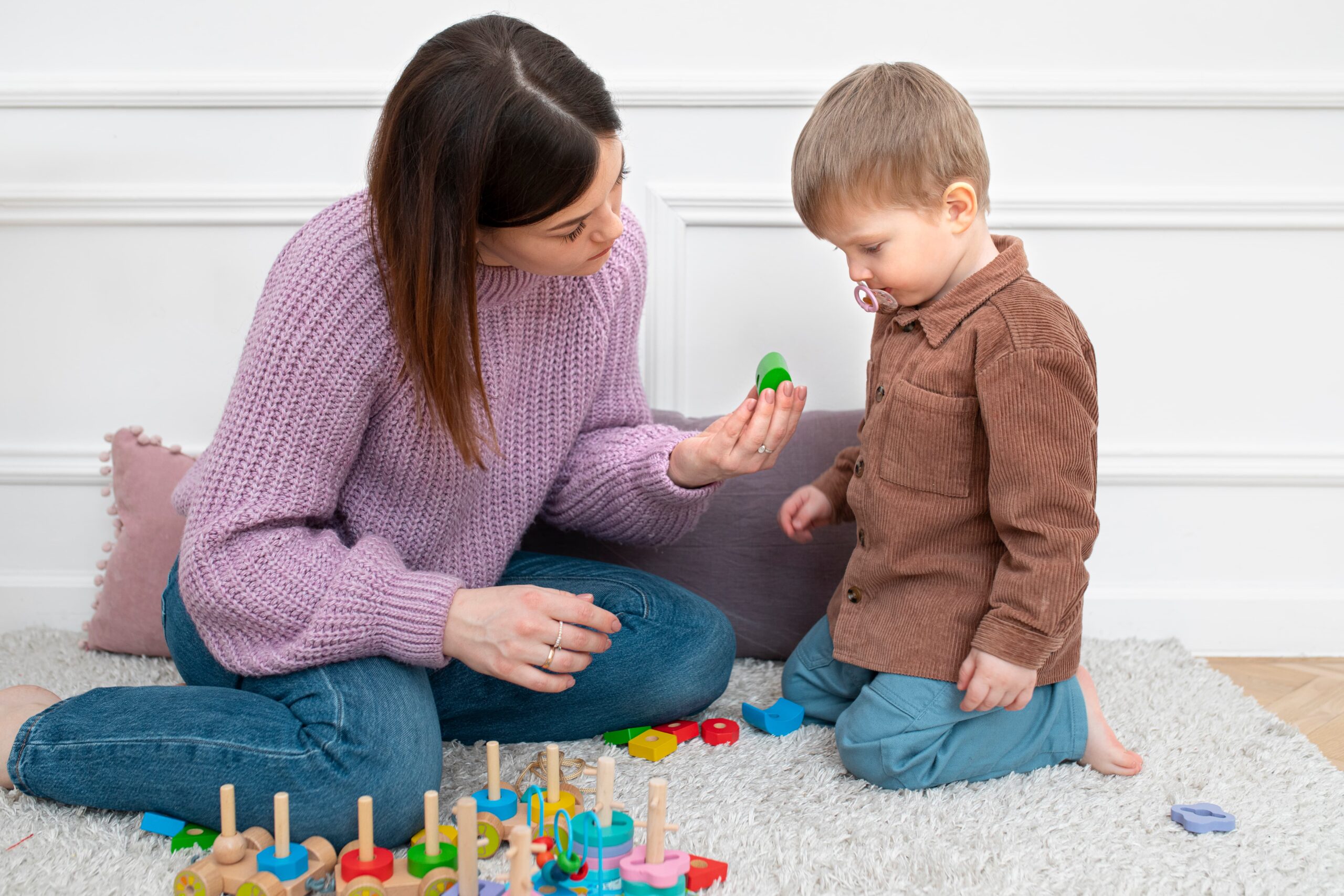
- In-home ABA therapy allows children, especially those with autism, to learn in a familiar and safe environment. This reduces anxiety, improves engagement, and enables skills to be practiced in real-life contexts, making them more likely to generalize beyond therapy sessions.
- Therapy can be tailored to a child’s individual needs, pace, and interests, and parents can actively participate. This encourages consistent reinforcement throughout daily routines, strengthens family confidence, and fosters long-term skill retention.
- For families facing transportation challenges, limited local providers, or long commutes, in-home ABA therapy provides convenient, one-on-one support directly in the home. This is especially valuable in rural areas where clinic-based services may be scarce.
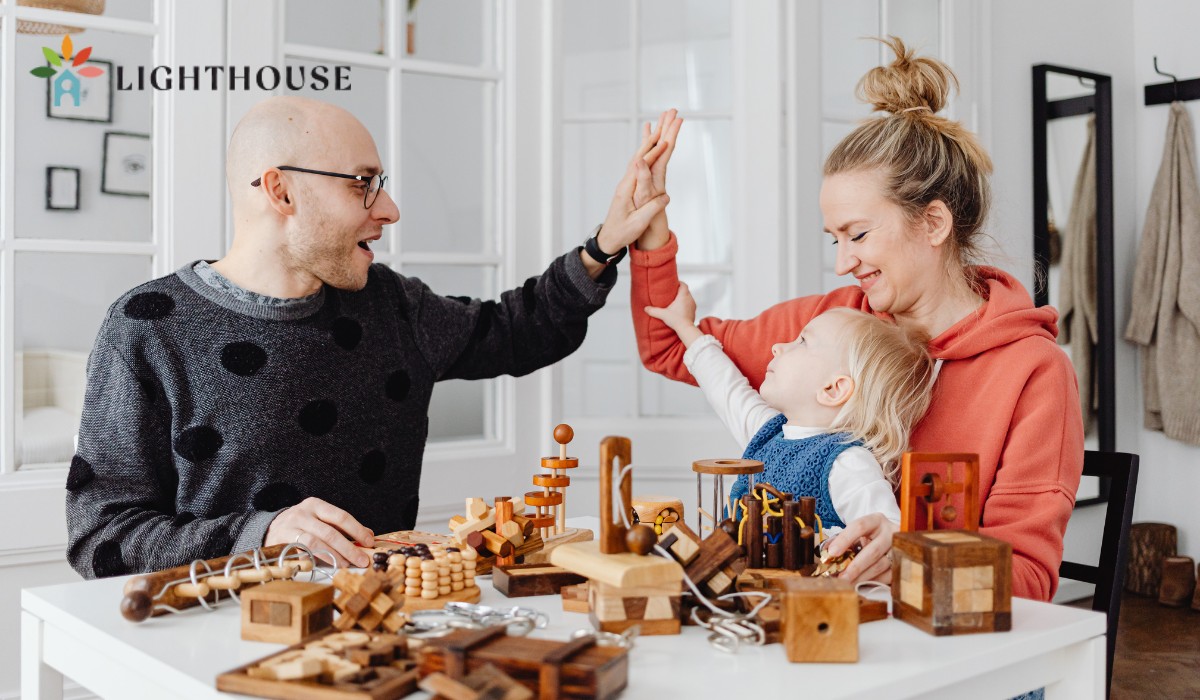
In-home ABA therapy is Applied Behavior Analysis (ABA) therapy delivered in a person’s home by a therapist, typically a Registered Behavior Technician (RBT), under the supervision of a Board Certified Behavior Analyst (BCBA).
This approach allows individuals, especially children with autism, to learn and practice skills such as communication, self-help, and behavior management in a familiar and comfortable setting. It offers the convenience of therapy at home and emphasizes real-world application of skills.
The counterpart to in-home ABA therapy is center-based ABA therapy, which takes place in a specialized facility. Center-based programs provide a structured environment, access to specialized resources, and opportunities for peer interaction, offering a different set of benefits than home-based therapy.
In-home ABA therapy is particularly well-suited for children who thrive in familiar surroundings and require highly individualized, flexible support.
In-home ABA is a Good Match For:
- Children Who Struggle with Transitions or Anxiety
For children who feel stressed, anxious, or overwhelmed outside the home, receiving therapy in a familiar environment can reduce anxiety and increase engagement. - Children Who Need Real-Life Skill Generalization
Children learning daily living skills, such as dressing, grooming, feeding themselves, following household routines, or interacting socially within the family, benefit from practicing in the actual environment where these skills will be used. - Children Who Require One-on-One, Intensive Attention
In-home therapy allows sessions to be highly individualized, tailored to a child’s pace, interests, and specific needs. - Children Who Thrive with Parent Involvement
Families can actively participate in therapy, learning strategies to reinforce skills throughout the day, not just during sessions. - Children With Limited Mobility or Transportation Challenges
For children who have difficulty traveling or families facing transportation barriers, in-home therapy brings services directly to them. - Children Who Benefit from Flexible, Naturalistic Learning
Children who learn best during everyday routines rather than in structured clinic settings can benefit from therapy that adapts to their natural rhythms, play preferences, and family schedule.
 What happens during in-home ABA therapy?
- Personalized Plans: A BCBA creates an individualized treatment plan tailored to the child’s unique needs and goals.
- Skills Practice: Therapy targets the development of essential skills—such as communication, daily living routines, and social interaction—within the home environment.
- Behavior Support: Therapists use evidence-based strategies, like reinforcement, to reduce challenging behaviors and promote positive ones.
Parental Involvement: Caregivers can actively participate, learn practical strategies, and see how therapy is integrated into everyday life. - Real-World Application: Practicing skills in the setting where they will be used helps children generalize learning more effectively and achieve faster progress.
6 Benefits of In-Home ABA Therapy
- Comfort and Familiarity: Therapy occurs in a safe, familiar environment, helping children who may feel anxious or overwhelmed in new settings.
- Convenience: In-home sessions remove the need for travel and can be easily scheduled around the family’s routine.
- Natural Observation: Therapists observe behaviors and interactions in the child’s everyday environment, giving a more complete understanding for individualized treatment planning.
- Flexibility: In-home therapy can complement or serve as an alternative to center-based programs, adapting to the child’s needs.
- Personalized Approach: Sessions are tailored to the child’s specific needs and interests, promoting better skill retention and practical application.
- Data-Driven Progress: Ongoing data collection tracks progress, supports informed adjustments to the plan, and ensures clear communication between therapists and families.
Possible Outcomes of In-Home ABA Therapy
- Communication and Social Skills: Improvements in verbal and non-verbal communication, understanding social cues, and engaging in interactions such as turn-taking and sharing.
- Daily Living and Self-Help Skills: Increased independence with tasks like dressing, grooming, mealtime routines, and personal hygiene.
- Academic and Cognitive Skills: Growth in problem-solving, critical thinking, and academic abilities, including reading and writing.
- Behavioral Reduction: Decrease in challenging behaviors, such as aggression, paired with teaching appropriate replacement behaviors.
Independence and Generalization: Greater independence and the ability to apply learned skills across different settings, reinforced by practice in the child’s natural environment.
Feedback from Parents and Researchers: In-Home ABA
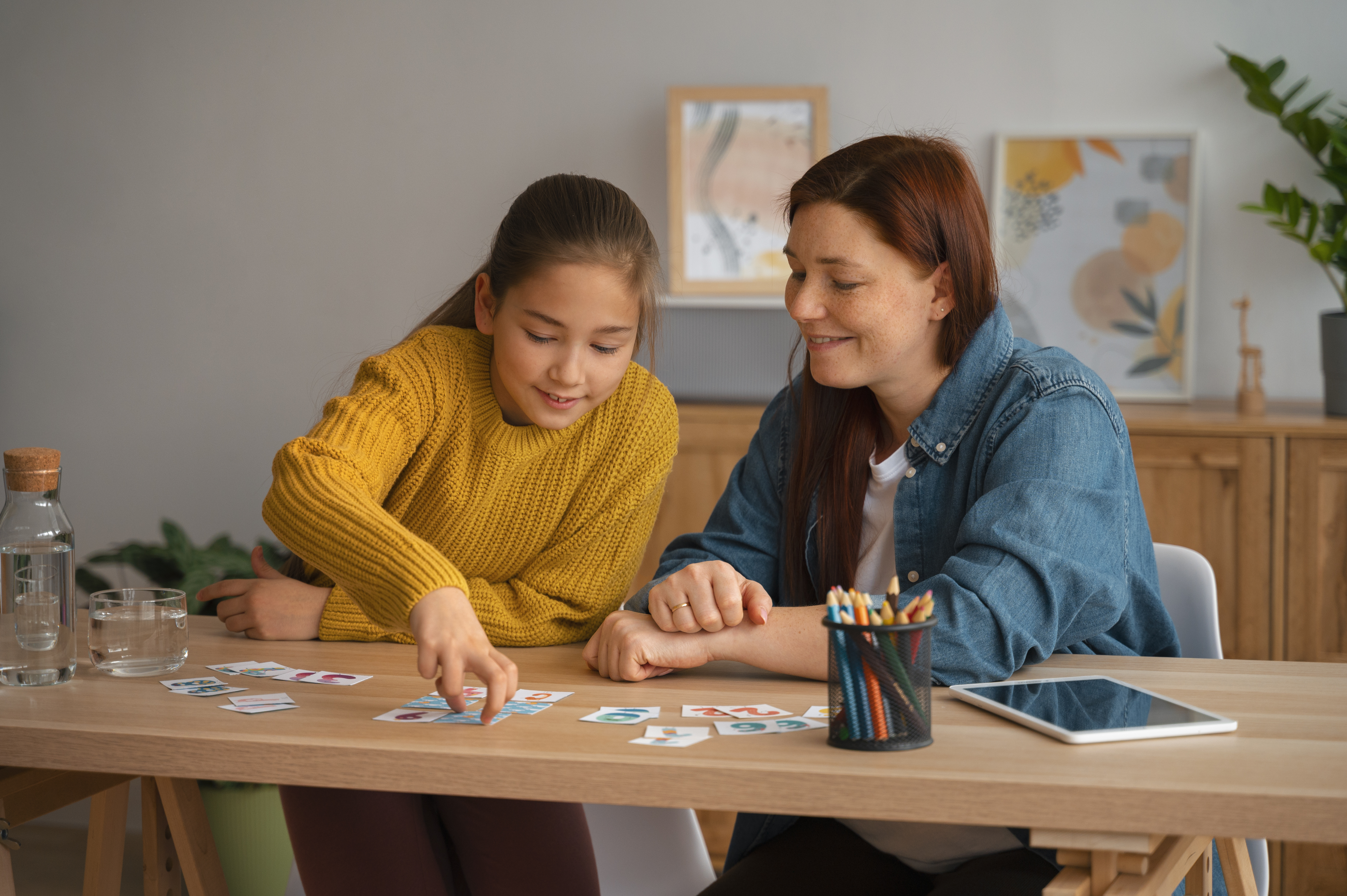
Parents and researchers alike have shared positive experiences with in-home Applied Behavior Analysis (ABA) therapy, highlighting several key benefits:
- Skill Development: Many parents note improvements in communication (both verbal and non-verbal), social interaction, independence, and daily living skills such as toilet training and self-feeding.
- Behavior Management: Families often report a decrease in challenging behaviors, tantrums, and self-harming actions, creating a calmer, more harmonious home environment.
- Comfort and Personalization: The familiar home setting can reduce anxiety and increase a child’s receptiveness to learning. Therapy is highly personalized and integrated into everyday routines, helping skills generalize to real-world situations.
- Family Involvement: In-home therapy naturally engages parents and siblings. Parents learn strategies firsthand, empowering them to consistently reinforce skills outside of formal sessions.
- Hope and Confidence: Many families express renewed hope for their child’s future and greater confidence in their ability to support their child’s growth and development.
Autism Support NC Homes
In-home Applied Behavior Analysis (ABA) therapy is available for families in both rural and suburban areas of North Carolina through Lighthouse. Access is provided through a combination of traditional in-home providers, telehealth services, and state programs.
Lighthouse offers in-home ABA therapy to help your child develop essential skills in a natural, supportive environment that fosters growth and progress.
Lighthouse services are available across rural and suburban areas in North Carolina, including in Raleigh, Charlotte, and surrounding areas, providing therapy both at home and in community settings.
Getting Started with Lighthouse ABA
Schedule a free consultation to discuss your child’s strengths, assess their needs, and create a personalized ABA therapy program designed for lasting success by calling: +1 718-218-5528 or emailing: intake@thelighthousech.com.

FAQs
1. What is in-home ABA therapy?
In-home ABA therapy is Applied Behavior Analysis (ABA) therapy delivered at home by a therapist, usually a Registered Behavior Technician (RBT) supervised by a Board Certified Behavior Analyst (BCBA). It helps children, especially those with autism, develop skills like communication, self-help, and behavior management in a familiar, comfortable environment.
2. How is in-home ABA different from center-based ABA?
Center-based ABA happens in a specialized clinic with structured resources and opportunities for peer interaction. In-home ABA happens in the child’s natural environment, which can reduce anxiety and make it easier to practice skills in real-life situations.
3. Who can benefit most from in-home ABA therapy?
In-home ABA is ideal for children who:
- Struggle with transitions or anxiety
- Need help applying skills to daily routines (dressing, feeding, household tasks)
- Require one-on-one, intensive attention
- Thrive when parents are actively involved
- Have mobility or transportation challenges
- Learn best in natural, flexible routines
4. What happens during in-home ABA therapy?
- Personalized plans: BCBAs create individualized treatment plans.
- Skills practice: Therapy focuses on communication, social interaction, and daily living skills.
- Behavior support: Therapists help reduce challenging behaviors and reinforce positive ones.
Parental involvement: Caregivers participate and learn strategies to use at home. - Real-world application: Skills are practiced in the child’s everyday environment.
5. What are the benefits of in-home ABA therapy?
- Comfort and familiarity for children
- Convenient, no travel needed
- Therapists observe natural behaviors in the home
- Flexible scheduling and therapy approaches
- Highly personalized sessions tailored to each child
- Data-driven progress tracking for consistent improvements
6. What outcomes can families expect?
Children often show improvements in:
- Communication and social skills
- Daily living and self-help skills
- Academic and cognitive skills
- Behavior management and reduction of challenging behaviors
- Independence and the ability to use skills across different settings
7. What do parents say about in-home ABA therapy?
Parents report:
- Better communication, independence, and social skills
- Fewer tantrums and challenging behaviors
- Comfort and personalization in a familiar setting
- Active involvement in their child’s progress
- Renewed hope and confidence in supporting their child
8. How can I get started with Lighthouse ABA in North Carolina?
Lighthouse ABA offers in-home ABA therapy in Raleigh, Charlotte, and the surrounding areas. To start:
- Call: +1 718-218-5528
- Email: intake@thelighthousech.com