

Key Points:
- Autism may present differently in girls and boys, which can affect diagnosis and support.
- Girls are more likely to mask symptoms, leading to underdiagnosis or late diagnosis.
- Recognizing gender-specific traits can improve early identification and treatment strategies.
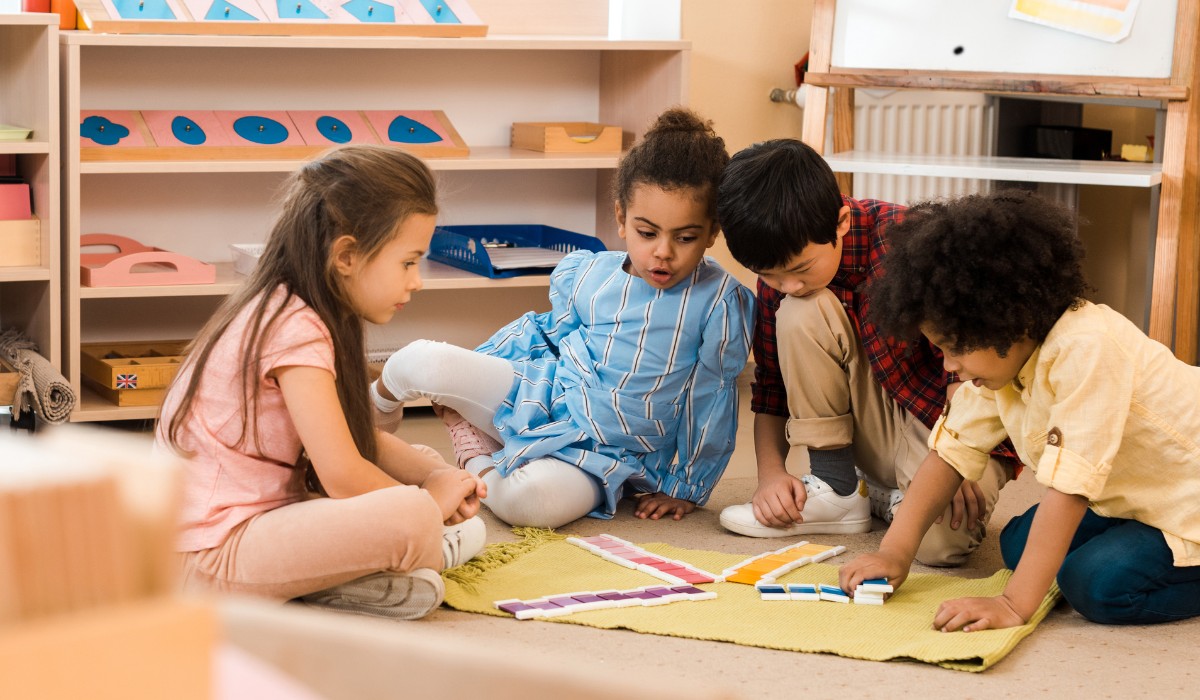
Understanding how autism spectrum disorder (ASD) presents differently across genders is becoming increasingly important for parents, educators, and clinicians. The long-standing belief that autism occurs predominantly in boys has shaped much of the diagnostic criteria and research, often overlooking how autism may manifest uniquely in girls and other gender identities.
If you’re here, you’re likely seeking clarity on why some children are diagnosed late, or misdiagnosed altogether, and whether gender plays a role. The short answer is yes, but the full picture is far more nuanced. This article explores the key differences in autism between genders, offering insights to help families and caregivers make informed decisions about support and therapy.
Why Autism Often Looks Different Between Genders
Autism spectrum disorder is a complex neurological and developmental condition. But while the core characteristics of autism, challenges with social interaction, restricted interests, and repetitive behaviors, are common across individuals, how these traits show up can vary significantly between genders.
For decades, most autism research was conducted on boys. As a result, diagnostic tools and early screening processes are better suited to male presentations of autism. This discrepancy has led to a growing concern: many girls with autism may go undiagnosed or be misdiagnosed with conditions like anxiety or ADHD.
Understanding these differences is critical for getting the right help at the right time.
Diagnostic Disparities Between Boys and Girls
Why Are More Boys Diagnosed?
Currently, boys are diagnosed with autism at a rate approximately four times higher than girls. But that doesn’t mean autism is necessarily less common in girls.
Several reasons contribute to this gap:
- Biased diagnostic tools: Early autism checklists are based on male behavior patterns.
- Social masking: Girls tend to mimic peers and learn social cues, making symptoms less visible.
- Co-occurring conditions: Girls are more likely to be diagnosed with anxiety, depression, or eating disorders, which can mask underlying autism.
This means a girl might be struggling with classic signs of autism, such as sensory sensitivities or difficulty maintaining friendships, without anyone realizing what’s really going on.
 Masking and Camouflaging in Girls
One of the most discussed gender differences in autism is masking, also called camouflaging. This refers to the effort to hide or suppress autistic traits in order to fit in socially.
Girls on the spectrum often observe and imitate their peers’ behaviors, using learned scripts or routines to blend in. While this can help them avoid bullying or exclusion, it comes at a psychological cost.
Consequences of masking include:
- Chronic exhaustion from constant effort
- Increased risk of mental health issues
- Delayed or missed diagnosis
- Difficulty developing a strong sense of identity
Unlike boys, who may externalize behaviors and stand out more in school, girls often “fly under the radar.” Teachers and caregivers may interpret their struggles as shyness or perfectionism, rather than autism.
Social and Communication Differences
While both boys and girls with autism can struggle with social skills, the nature of those struggles often differs.
Girls on the spectrum may appear more socially adept, but their relationships may lack depth or be highly scripted. They may gravitate toward one-on-one friendships rather than groups and can become intensely attached to a single person.
Common social differences in autistic girls:
- Strong desire to fit in but confusion about how
- Tendency to mimic rather than initiate interaction
- Struggles with group dynamics despite appearing socially engaged
- Difficulty with social subtleties like sarcasm or tone
These subtler signs can be misread as quirky or introverted behavior, causing girls to miss out on crucial early intervention.
Restricted Interests: Subtle but Present
Restricted or highly focused interests are a hallmark of autism. In boys, this might look like an intense fascination with trains, numbers, or video games.
Girls often display similar focus, but their interests tend to align with socially typical activities, such as animals, celebrities, fashion, or books. Because these interests don’t seem unusual, they often go unnoticed by parents or educators as a possible red flag.
However, the intensity and rigidity of these interests still meet the criteria for ASD.
For example:
- A girl may obsessively collect facts about a favorite singer, reciting every song lyric or interview.
- Another might create elaborate, rule-bound fantasy worlds or play scenarios.
When these behaviors are dismissed as typical childhood passions, a diagnosis can be delayed or missed entirely.
 Emotional Regulation and Mental Health
Another critical difference in autism between genders involves emotional expression and co-occurring mental health conditions.
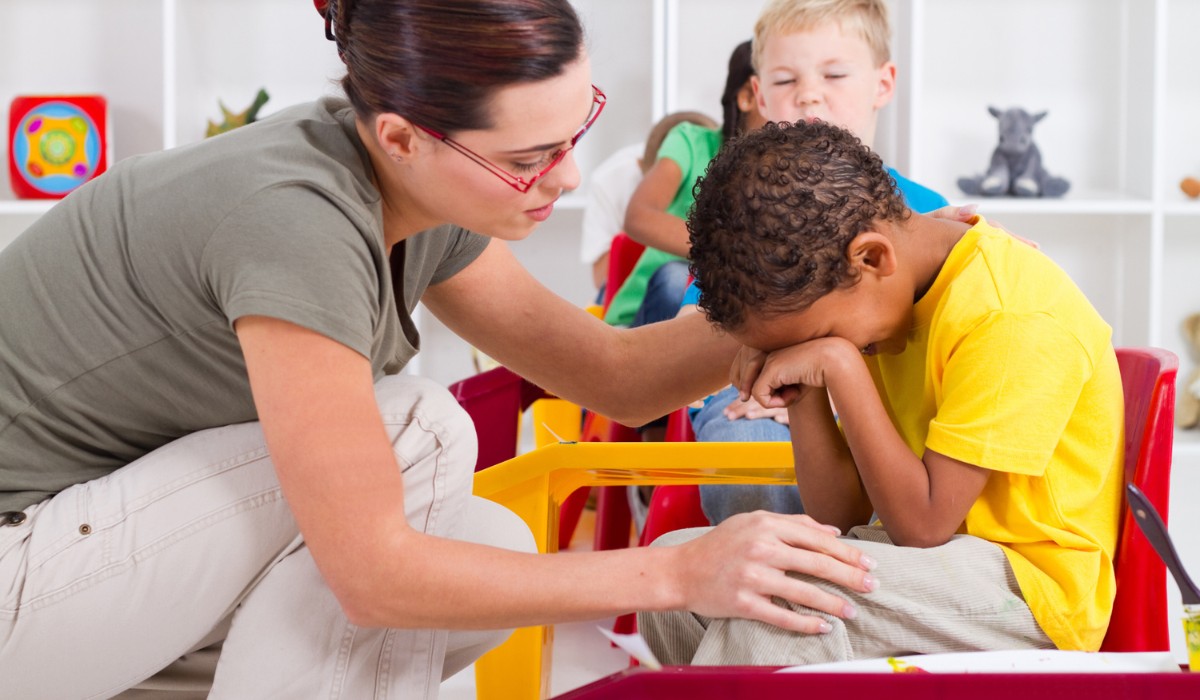
Girls with autism often internalize their emotions, making them more vulnerable to conditions like anxiety, depression, or eating disorders. In contrast, boys are more likely to externalize emotions through disruptive behaviors.
This leads to several issues:
- Girls are referred to mental health professionals, not developmental specialists.
- Underlying autism may not be recognized until adolescence or adulthood.
- Emotional overload may lead to meltdowns or shutdowns in private, not public, settings.
Understanding these patterns can help parents, educators, and clinicians see the bigger picture behind a child’s behavior.
Autism in Nonbinary and Gender-Diverse Individuals
While most research has focused on boys and girls, there’s growing awareness that autism is more prevalent among gender-diverse individuals, including those who are nonbinary or transgender.
Autistic individuals are more likely to experience gender dysphoria, and some studies suggest a higher rate of autism in LGBTQ+ populations.
This highlights the need for:
- More inclusive diagnostic tools
- Better training for professionals on intersecting identities
- Support systems that affirm both neurodiversity and gender diversity
Recognizing and validating these experiences can improve mental health outcomes and quality of life.
Tips for Parents and Caregivers
If you’re concerned about your child’s behavior and wondering whether autism may be a factor, especially if you’re raising a girl or gender-diverse child, there are several steps you can take:
1. Learn the Subtle Signs
Familiarize yourself with how autism may present differently in girls. Look for patterns like intense interests, social exhaustion, or emotional meltdowns after school.
2. Trust Your Observations
Even if teachers or doctors aren’t seeing what you see at home, your perspective is valid. Don’t be afraid to seek a second opinion.
3. Find an Experienced Clinician
Choose a professional who has experience diagnosing autism across genders. Standard evaluations may not catch the nuances in girls or gender-diverse individuals.
4. Seek Support Early
Even if a diagnosis takes time, you can still seek behavioral support or therapies that focus on communication, regulation, and social skills.
 What This Means for ABA Therapy
Applied Behavior Analysis (ABA) therapy is a widely used intervention for individuals with autism. While ABA is often tailored to developmental age and ability, it’s equally important that therapy accounts for gender-specific differences in how autism shows up.
Personalized ABA programs can:
- Address subtle social challenges in girls
- Support emotional regulation in those who mask
- Build authentic communication skills without forcing conformity
- Respect individual interests and learning styles
When therapy is responsive to a child’s unique profile, including how their gender may influence behaviors, it’s more likely to lead to meaningful, lasting outcomes.
Final Thoughts: Autism Looks Different, and That Matters
Understanding the differences in autism between genders helps break down stereotypes and opens the door to more accurate diagnosis, earlier support, and better outcomes. Whether you’re parenting a quiet, observant girl who’s struggling silently, or a gender-diverse teen navigating identity and neurodiversity, early understanding is key.
With awareness and informed support like ABA therapy, children on the spectrum, regardless of gender, can thrive in environments that respect who they are.
If you’re noticing signs of autism in your child and want expert, compassionate support, Lighthouse ABA offers personalized ABA therapy in New York and North Carolina. Our programs are designed to meet each child where they are, factoring in not just developmental needs but also how gender may influence behavior and communication.
Whether your child is newly diagnosed or you’re navigating a complex journey toward understanding, our team at Lighthouse ABA can help you take the next step with confidence. Contact us today to learn how our ABA therapy services in New York and North Carolina can make a difference in your child’s growth and quality of life.