
Key Points:
- Discover six essential social skills that can be effectively taught to autistic children through Applied Behavior Analysis (ABA) therapy.
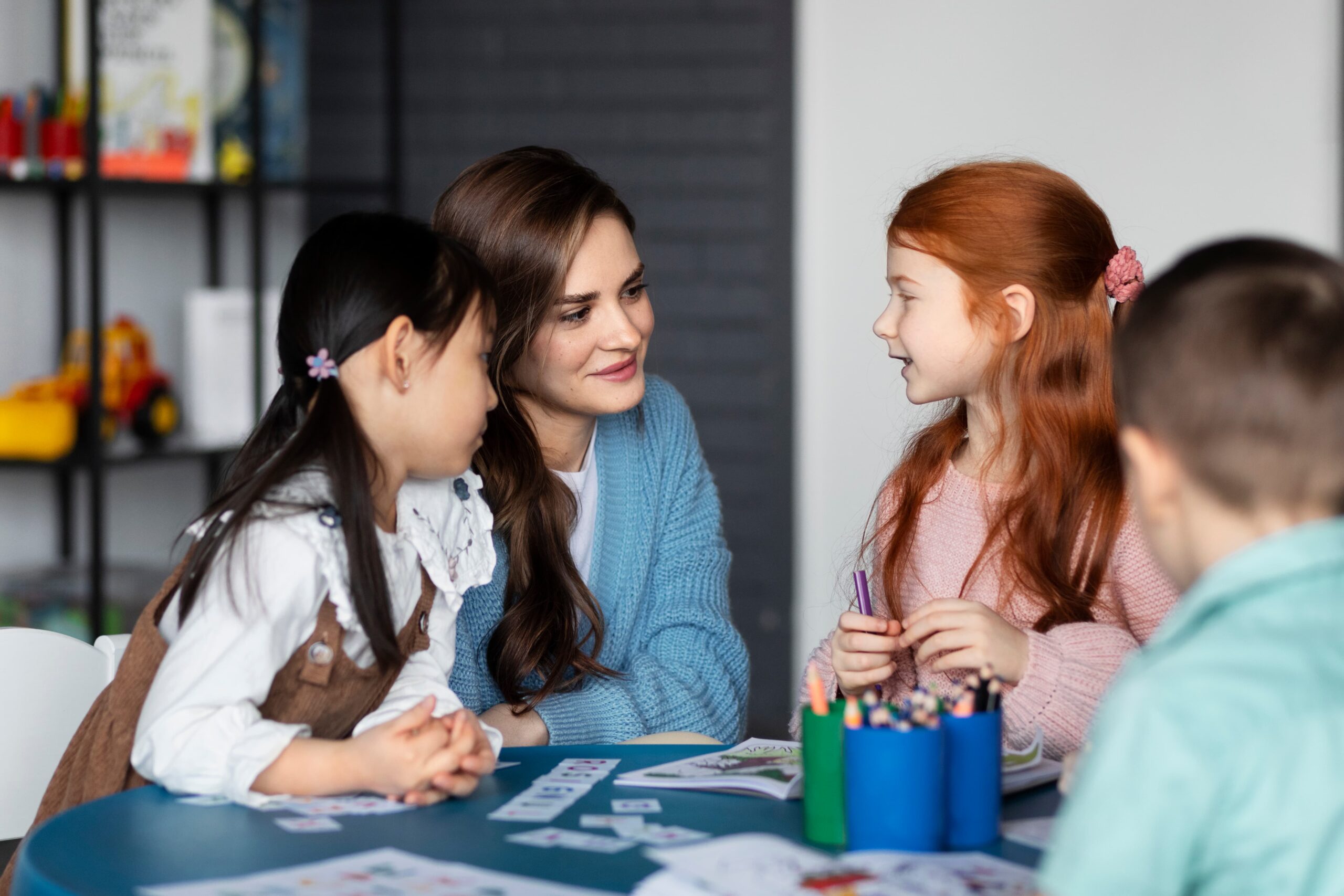
- Learn how these skills support peer interaction, emotional regulation, play, and conversation development.
- Find practical tips and ABA strategies that foster long-term social growth and inclusion for children on the autism spectrum.
For a child with autism, everyday social situations like saying hello, joining a group play session, or making eye contact can feel overwhelming or even impossible. And as a parent, watching your autistic child struggle with peer interaction or understanding emotions can be heartbreaking.
You’ve likely searched tirelessly for ways to help your child connect with others and feel more confident in social environments. That’s where ABA (Applied Behavior Analysis) therapy comes in. ABA isn’t just about managing behaviors, but it’s also a structured and proven approach to teaching vital social skills that many autistic children need support in developing.
In this article, we’ll walk you through six foundational social skills every autistic child should learn through ABA therapy, including specific strategies and why each skill matters. Whether your child is newly diagnosed or already in therapy, these insights can help you better support their journey toward meaningful social growth.
1. Initiating and Maintaining Conversations
One of the most noticeable social challenges for many autistic children is starting or maintaining conversations. They may not know when to speak, how to respond appropriately, or how to show interest in what others are saying.
Why It Matters:
Conversation skills are the gateway to forming relationships. They help a child connect with peers, teachers, and family members in everyday life.
How ABA Helps:
ABA therapy uses modeling, prompting, and reinforcement to teach conversation frameworks. Therapists might use scripts, visual supports, or role-playing to help a child:
- Greet someone appropriately.
- Ask and answer questions.
- Take conversational turns.
- Stay on topic.
Helpful Tip:
Use natural environment teaching (NET) to reinforce conversation skills outside of structured sessions. Practice during meals, walks, or while shopping.
2. Understanding and Regulating Emotions
Emotional regulation skills are often underdeveloped in children with autism. Meltdowns or emotional shutdowns can occur when feelings become overwhelming or misunderstood.
Why It Matters:
Without emotional regulation, navigating social situations becomes difficult. Children may withdraw or react in ways that others don’t understand.
How ABA Helps:
ABA strategies focus on identifying emotions, both in oneself and in others, and teaching coping strategies. This might include:
- Labeling emotions using visuals or emotion cards.
- Teaching replacement behaviors, like deep breathing or requesting a break.
- Using reinforcement to reward calm responses to frustration or disappointment.
Helpful Tip:
Introduce a feelings chart at home. When your child names an emotion correctly or chooses a coping tool independently, reinforce the effort with praise or a small reward.
3. Building Play Skills
Play is more than just fun. It’s actually a child’s first and most natural form of learning social skills. However, many autistic children struggle with cooperative or imaginative play.
Why It Matters:
Play teaches turn-taking, sharing, problem-solving, and empathy while also creating opportunities for natural peer interaction.
How ABA Helps:
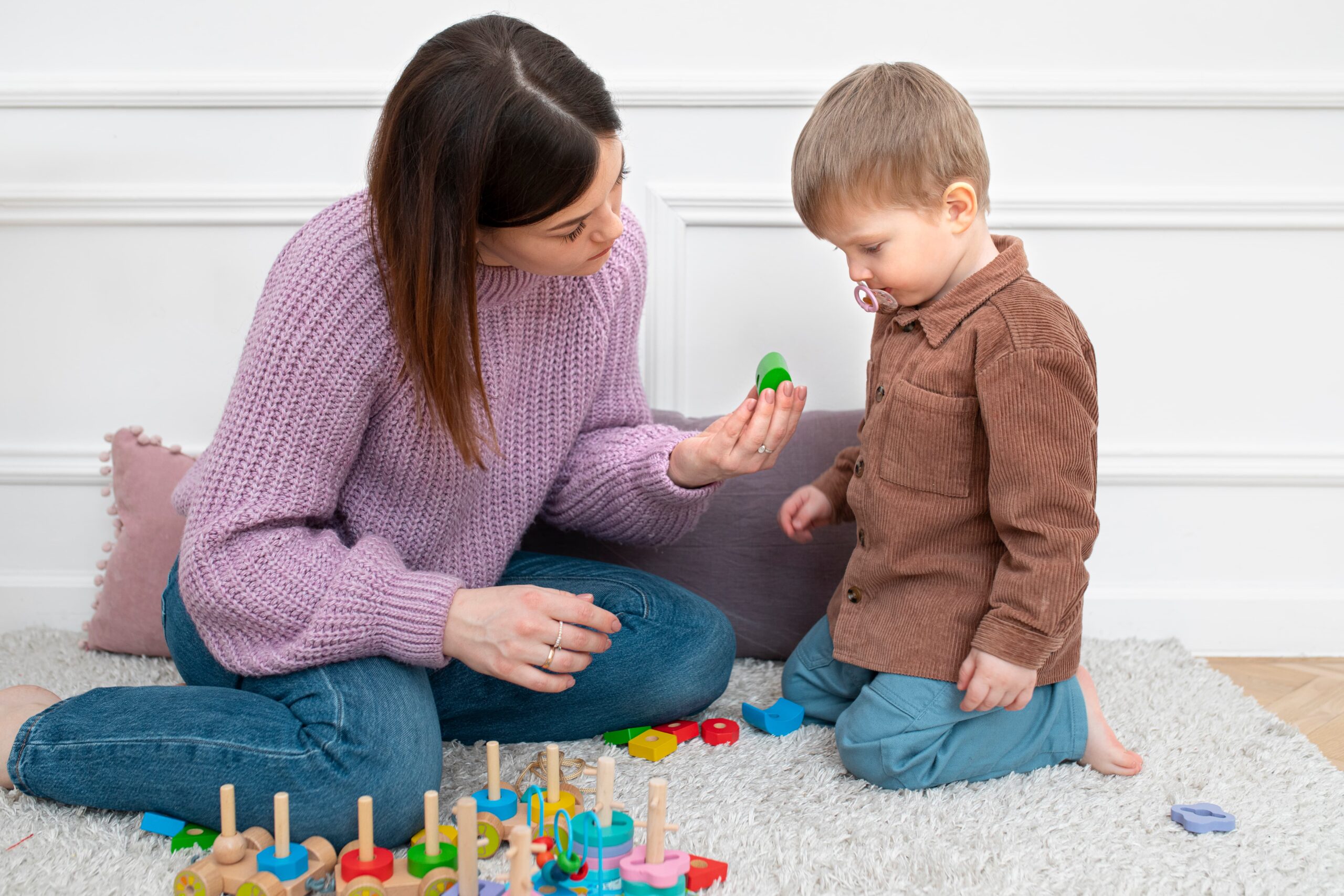
Through structured play sessions, ABA therapists help children:
- Learn to play with others through parallel play and then progress to cooperative play.
- Imitate peers or adults during play scenarios.
- Use toys functionally and engage in symbolic or pretend play.
Helpful Tip:
Use peer-mediated intervention. Pair your child with a supportive peer who can model appropriate play behaviors in a low-pressure setting.
4. Making and Keeping Friends
Knowing how to form a friendship doesn’t always come naturally to an autistic child. They may be interested in others but unsure how to approach, engage, or maintain the relationship over time.
Why It Matters:
Friendships provide emotional support, boost self-esteem, and are key to healthy development and social inclusion.
How ABA Helps:
ABA therapy can break down the friendship process into manageable steps, such as:
- Identifying common interests.
- Learning how to invite someone to play.
- Recognizing what makes someone a good friend.
- Practicing conflict resolution strategies.
Helpful Tip:
Create social stories that walk through friendship-building situations. These visual narratives help children predict what to expect and how to respond.
5. Nonverbal Communication and Social Cues
Understanding nonverbal signals like facial expressions, body language, and tone of voice is often a challenge for autistic individuals. But these cues are essential to successful communication.
Why It Matters:
Most social communication is nonverbal. Without understanding these cues, a child may misinterpret intentions or miss emotional context.
How ABA Helps:
Therapists teach nonverbal communication skills using:
- Picture cards and videos to identify expressions.
- Mirror exercises to practice matching emotions.
- Role-play scenarios that focus on interpreting gestures or tone.
Helpful Tip:
During everyday interactions, narrate what you’re doing with your expressions: “I’m smiling because I’m happy,” or “My eyebrows are raised because I’m surprised.”
6. Waiting, Turn-Taking, and Sharing
Impulse control and patience can be tough for any child, but especially for autistic children. Waiting their turn or sharing toys may trigger frustration or lead to avoidance behaviors.
Why It Matters:
These skills are fundamental to classroom participation, peer interaction, and community settings like parks or birthday parties.
How ABA Helps:
ABA therapists often use discrete trial training (DTT) and token systems to teach and reinforce:
- Waiting without frustration.
- Giving and receiving toys.
- Following group rules during play or class activities.
Helpful Tip:
Use a visual timer at home to practice waiting. Start small (e.g., 15 seconds) and gradually increase as your child becomes more comfortable.

Reinforcing Social Skills Outside of Therapy
While ABA therapy provides structured learning, real growth happens when these skills are practiced in everyday life. Families and caregivers play a vital role in reinforcing what’s learned during sessions.
Practical Ways to Reinforce Social Skills:
- Set up playdates or group activities with neurotypical peers.
- Use daily routines (like mealtime or bedtime) to model and reinforce conversation and emotional regulation skills.
- Encourage participation in community programs or interest-based clubs for natural socialization opportunities.
Remember, social development is a journey, and progress may be gradual, and every milestone, no matter how small, is meaningful.
Take the Next Step: Support Your Child with ABA Therapy in New York
Helping your autistic child develop social skills isn’t just about preparing them for the playground or classroom. It’s about equipping them with the tools they need to navigate the world with confidence. ABA therapy offers a proven framework for teaching crucial social abilities like conversation, emotional regulation, play, and friendship skills in ways that are both structured and personalized.
By focusing on these six key areas and reinforcing them at home, you can support your child’s journey toward deeper connection and meaningful relationships. When these social foundations are in place, everything from school participation to everyday interactions becomes more accessible and more joyful.
If you’re ready to help your child thrive socially and emotionally, Lighthouse ABA offers compassionate, evidence-based ABA therapy in New York tailored to meet your child’s unique needs.
Our experienced therapists at Lighthouse ABA work closely with families to build essential social skills, from play and peer interaction to emotional regulation and communication. Whether your child is just starting therapy or looking to deepen their social abilities, we’re here to guide them every step of the way.
Let us support your child’s growth in a safe, encouraging environment where learning feels natural and rewarding. Contact us today to learn more about our ABA programs and how they can make a difference in your child’s life.