

Key Points:
- Aligning IEP goals with ABA therapy helps create consistency across school and home.
- Collaboration between school staff and ABA clinicians is essential for effective support.
- Parents play a critical role in ensuring IEPs reflect their child’s needs and ABA strategies.
When your child with autism receives both school-based services and ABA therapy, it can feel like you’re managing two completely different systems. On one hand, there’s the Individualized Education Plan (IEP) from the school. On the other hand, you have your child’s ABA provider focusing on behavior, communication, and daily living skills. The big question is: How do these two systems work together?
This article explores how IEPs and ABA therapy can complement one another, and how parents can help bridge the gap between home and school to create a unified, consistent plan for their child’s success.
Understanding the Role of the IEP in Autism Support
An Individualized Education Plan (IEP) is a legally binding document developed for students receiving special education services in public schools. It outlines:
- The student’s current academic and functional performance
- Annual goals
- Accommodations and supports
- Services like speech, occupational therapy, or behavioral interventions
For students with autism, behavior goals are often a key component of the IEP. However, these goals are typically broad and implemented by school staff with limited training in applied behavior analysis.
That’s where ABA therapy comes in.
Why Aligning IEP and ABA Goals Matters
If your child is working on reducing aggression or increasing communication at home with their ABA therapist, but those goals aren’t reflected in the IEP, or worse, they contradict what’s happening at school, it can slow progress.
Here’s why aligning IEP and ABA goals is essential:
- Promotes consistency in expectations and reinforcement strategies
- Reduces confusion for the child
- Encourages skill generalization across settings
- Builds a collaborative team approach between home and school
When ABA providers are looped into the IEP process, everyone benefits.
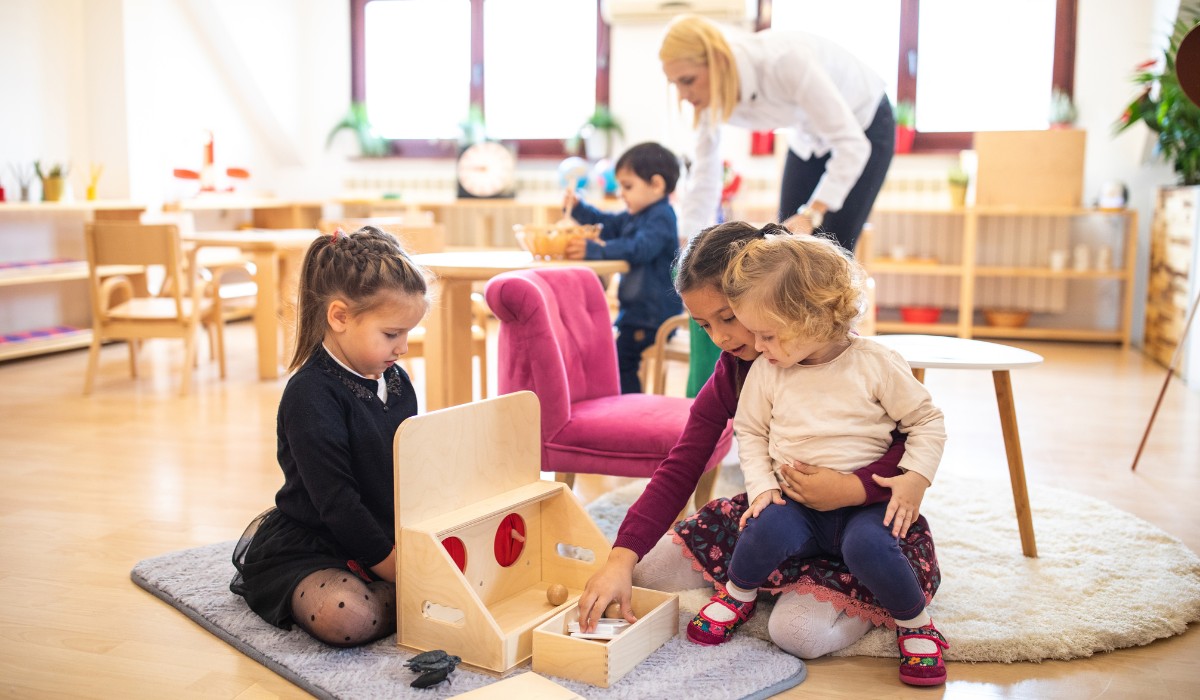 ABA Therapy in School: What It Can Look Like
While not all schools allow outside ABA professionals into the classroom, many do collaborate with them in some capacity. ABA therapy in school may include:
- School observations and consultation by your child’s ABA provider
- Written reports or data from an ABA home therapist or applied behavior analysis center
- Participation in IEP meetings by ABA team members
- Coordination between school behavior support staff and ABA clinicians
Even if your school district does not allow direct services from outside providers, you can still request that your child’s IEP team consider ABA goals, strategies, or data.
ABA Therapy in New York: Integrating Support Across Settings
In a state as diverse and resource-rich as New York, families often access services from both public schools and private ABA therapy in New York providers. But without proper coordination, children may receive mixed messages or conflicting strategies.
Here’s how families in New York can advocate for integration:
- Ask your ABA therapist near me to share progress reports with the school team
- Invite your ABA provider to IEP meetings, even as a non-member
- Ensure that behavior goals in the IEP reflect ABA-based strategies
- Encourage communication between your ABA home services team and school behavior staff
With schools under pressure to provide appropriate support, showing how ABA complements educational goals can encourage collaboration.
The Role of ABA Home Services in Reinforcing IEP Goals
Some children make excellent progress with ABA home services, but struggle to apply those skills at school. This gap often stems from lack of generalization or inconsistent teaching methods.
To bridge the home-school gap:
- Your ABA team can incorporate IEP goals into home sessions
- Parents can record behaviors or challenges at home that reflect IEP concerns
- ABA clinicians can provide recommendations to schools on what has worked well in the home setting
When ABA therapy near me addresses school-related behaviors in the home environment, children are better equipped to succeed in both settings.
 Applied Behavior Analysis Centers and School Collaboration
Families receiving services at an applied behavior analysis center often work with multidisciplinary teams, including BCBAs, RBTs, and clinical directors. These professionals can support school collaboration by:
- Preparing documentation to share with school staff
- Recommending specific accommodations for IEPs
- Attending meetings to explain data or suggest strategies
- Coaching parents on how to advocate during the IEP process
Don’t hesitate to ask your ABA center how they support IEP alignment. Many ABA clinics near me already have procedures in place to coordinate with schools.
Tips for Parents: Advocating for ABA in the IEP Process
You are your child’s best advocate, and you have the right to ensure their IEP reflects their actual needs and progress. Here are some parent-tested tips:
- Bring data from your ABA provider to the IEP meeting
- Use language from ABA reports when suggesting IEP goals
- Ask for behavioral goals that align with home-based ABA targets
- Request training or consultation from ABA professionals as part of the IEP services
- Follow up after meetings with written summaries and clarification requests
Having ABA therapy in North Carolina or New York doesn’t mean the school is off the hook—it means your child is receiving wraparound care that the school should coordinate with.
When School Systems Resist: Navigating Common Challenges
Not all school teams are open to incorporating ABA input, especially if they have internal behavioral staff or differing philosophies. Common challenges include:
- Denial of parent-requested goals
- Exclusion of ABA providers from meetings
- Misunderstanding of ABA methods
- Limitations on external observations
When this happens:
- Stay calm, but firm. You can always submit concerns in writing.
- Request a Functional Behavior Assessment (FBA) to create data-driven goals.
- Seek support from an educational advocate if needed.
- Consider inviting a representative from your ABA therapy near me provider to help explain strategies.
Persistence and preparation go a long way in getting appropriate services for your child.
 Why This Connection Matters Long-Term
Ultimately, the goal of both the IEP and ABA therapy is to help your child build independence, communication, and academic readiness.
When schools and ABA providers work together:
- Goals are more achievable and relevant
- Skills generalize more effectively
- Behavioral challenges are addressed proactively
- Parents feel supported, not pulled in two directions
Empower Progress with Aligned Support at Home and School
Bridging the gap between Individualized Education Plans and ABA therapy isn’t just helpful—it’s necessary. When school teams and ABA professionals collaborate, children receive consistent, targeted, and meaningful support.
Start building real collaboration between school and home. Lighthouse ABA offers ABA therapy in New York and North Carolina, with a strong focus on integrating behavioral goals across settings.
Our experienced team at Lighthouse ABA works closely with families, schools, and other service providers to ensure IEP goals are informed by data, supported through ABA, and reinforced consistently. Whether you’re looking for ABA home services, center-based care, or help navigating IEP meetings, our team is ready to support you.
Reach out today to learn more about our personalized ABA therapy services in your area and start building the bridge your child needs to thrive.