

Key Points:
- ABA therapists work by breaking down skills into manageable steps so children can learn communication, self-care and social interaction with confidence.
- Through consistent positive reinforcement and individualized plans, an ABA therapist helps reduce challenging behaviours and build adaptive habits your child uses daily.
- When parents and therapists partner, your child’s progress becomes meaningful, with skills generalised into home, school and community settings for real-life success.
What ABA Therapy Is and Why It Matters
An ABA therapist supports your child by applying the science of behaviour to teach useful skills and address challenging behaviours. Rooted in behaviour-analysis research, the approach doesn’t merely correct problems, it helps children gain meaningful abilities they can carry throughout life.
For a parent, knowing how this works offers insight into what to expect and how to support the process. The result? Your child isn’t just managing symptoms, they are acquiring tools for independence, communication and social engagement. Studies show children receiving structured ABA early and consistently make significant gains in daily living, social skills and communication.
How an ABA Therapist Works With Your Child
This section explains what the ABA therapist does and how they build effective sessions.
The Role of an ABA Therapist
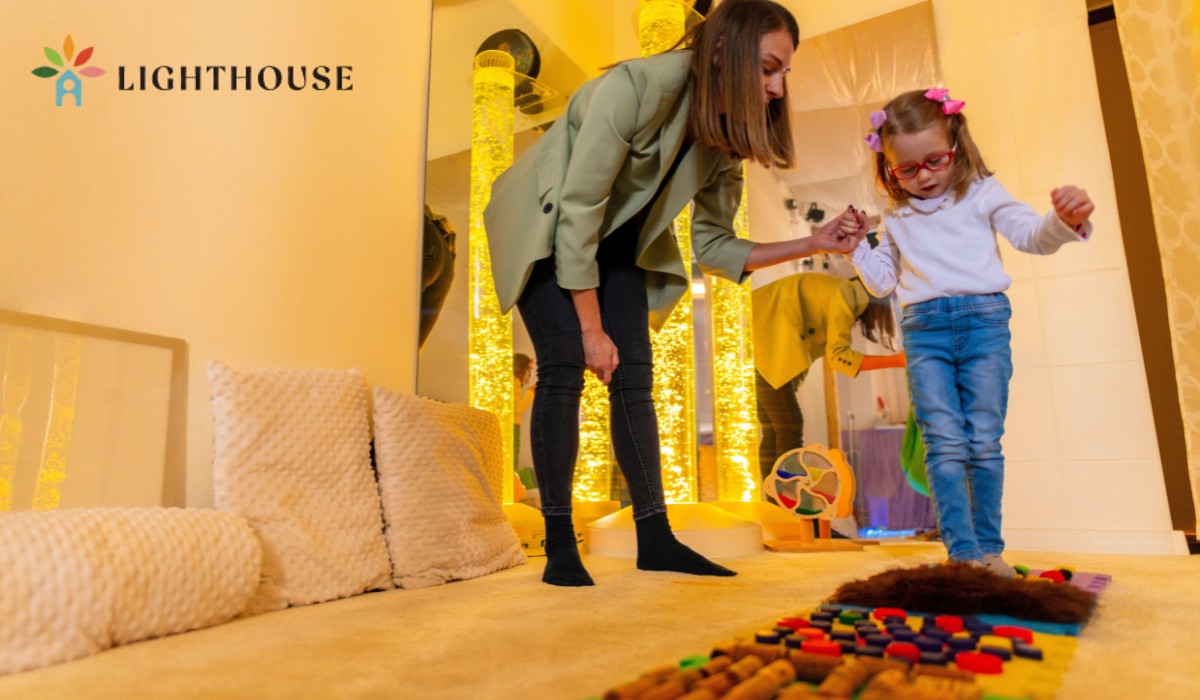
An ABA therapist applies the techniques of applied behaviour analysis under supervision to create a learning environment tailored to your child.They use structured, meaningful activities divided into small, measurable steps, so your child can succeed incrementally and feel motivated.
For example, they might break down a self-care routine like brushing teeth into parts: walking to sink, turning on water, holding the toothbrush, and so on.By doing so, the therapist helps your child practise and master each step before combining into the full routine. The therapist also monitors progress, adapts strategies and collaborates with you to ensure what’s learned transfers into everyday life.
Individualised Learning Plan
Every child is different. A qualified ABA therapist begins with a comprehensive assessment of your child’s strengths, interests, communication style and environment.Based on this, the therapist creates a bespoke plan: identifying target skills (such as requesting help, toileting, interacting with peers), how to teach them, how to measure progress and how to generalise the skills beyond the therapy setting.
Parents are often invited into this plan, so you understand how to support the learning and help your child practise outside sessions. This collaboration strengthens outcomes and builds consistency across home and school.
 What Skills an ABA Therapist Helps Build
This section explores concrete skills your child can develop through therapy.
Communication and Social Interaction
Effective communication is foundational: your child expressing needs, asking questions, engaging others. ABA therapists focus strongly on communication skills, both verbal and non-verbal. For example, they might teach how to request items, initiate play, take turns, and respond to peers.
Social interaction also receives emphasis: sharing attention, playing alongside peers, understanding social cues. These skills are vital for your child to interact in school, community and family settings. With repetition, feedback and reinforcement the child learns to engage more meaningfully.
Daily Living and Functional Skills
Beyond communication the ABA therapist teaches everyday skills that support independence. These include self-care (dressing, toileting, eating), following instructions, transitioning between activities, handling routines.
By mastering such skills your child is better prepared for school, for engaging in community activities and for routines at home. The therapist breaks them into manageable steps, ensures consistency and gradually reduces support so your child increasingly does things on their own.
Behaviour Support and Reduction of Challenging Behaviours
Challenging behaviours, such as aggression, tantrums, self-injury or refusal to cooperate, can hinder learning and social connection. An ABA therapist helps by identifying triggers in the environment, teaching alternative behaviours and reinforcing positive responses.
It’s not simply about stopping unwanted behaviour, but about replacing it with adaptive ones, skills the child can use when frustrated, uncertain or in transition. Over time the frequency and intensity of the problematic behaviours decrease and your child builds more positive interaction with parents, peers and therapists.
 How You as a Parent Can Support the Process
Your involvement and understanding make a significant difference in how effectively your child thrives with therapy.
Consistent Routine and Environment
ABA therapy is most effective when the strategies used by the therapist are supported at home and across settings. You can work with the therapist to maintain similar routines, language, reinforcement systems and expectations in home, school or community.
When the same consistent cues, prompts and rewards are used across environments your child generalises, applying skills beyond the therapy room.
Starting early and being consistent makes a difference; studies suggest early intervention yields larger gains.
Collaboration and Communication with the Therapist
Regular communication with the ABA therapist about your child’s progress, what strategies are working and what adjustments might be needed is vital. Attend parent-training sessions if offered.
Ask for clear, practical ways you can reinforce goals at home, such as prompting your child to request help rather than doing it for them, or praising independent efforts.
By partnering in this way you help bridge the gap between therapy sessions and everyday life, making the learning real and long-lasting.
Monitoring Progress and Adaptation
Because the therapy is tailored, regular review of goals, data and session progress is key. The ABA therapist will collect data, and you can ask for updates: what’s improving, what’s plateauing, what might need adaptation. When needed the programme should shift focus or adjust methods so your child continues to move forward rather than remain stuck.
Also, ask what skills the therapist envisions next and how you will know when a goal is achieved or needs revision. This awareness helps you stay informed and engaged.
 Addressing Common Questions and Mis-Conceptions
It is common for parents to wonder about how ABA therapy works, whether it’s right for their child and what to expect.
Is ABA only for children with autism?
While ABA is most widely used for children with autism spectrum conditions, it can also help children with other developmental challenges, communication delays, behavioural disorders or intellectual disability. What matters is that the approach is adapted to your child’s unique needs.
Will therapy change who my child is?
There has been concern that ABA might unduly push children to conform. What good therapists strive for is helping your child live as fully and independently as possible, developing skills that allow more choice and joy in life, not suppressing uniqueness.
You can discuss with your therapist the goals and methods to make sure they align with your values and your child’s individuality.
How long will therapy take and when will I see results?
There is no one-size-fits-all timeline. Some children show noticeable changes within months, especially when started early and intensively.
But for many the progress is incremental, and meaningful change builds over time with consistency. Ask your therapist for expected benchmarks, review intervals and how goals will evolve as skills develop.
 Empowering Children Through Expert ABA Therapists
Every child’s journey with autism is unique, and behind every meaningful breakthrough is a skilled, compassionate ABA therapist. These professionals play a vital role in understanding a child’s needs, identifying their strengths, and using structured strategies to help them thrive at home, in school, and in the community.
At Lighthouse ABA, our therapists are more than behavior specialists, they’re partners in your child’s growth. We tailor every session to focus on practical skills like communication, social interaction, and emotional regulation. Families in North Carolina and New York trust our dedicated team to create supportive, nurturing environments that inspire confidence and independence. If you’re seeking therapists who truly invest in your child’s progress, connect with Lighthouse ABA today and learn how our individualized programs can help your child flourish every step of the way.