

Key Points:
- Sensory friendly NYC experiences, including sensory museums NYC and outdoor spaces, help children with autism explore, learn, and self-regulate in calm, supportive environments.
- Sensory play strengthens communication, motor skills, emotional regulation, and brain development while supporting ABA goals through engaging activities and ABA community outings.
- Museums, parks, and autism events NYC, paired with thoughtful planning and ABA support, help families build positive, successful community experiences.

A Guide for Families Seeking Sensory Engaging Experiences for Children With Autism
New York City offers a growing number of sensory friendly NYC experiences designed to support children with autism and other sensory sensitivities. From museums to outdoor spaces, these destinations provide structured, calming environments that help children explore, learn, and connect in ways that feel safe and enjoyable.
Sensory play is especially important for children with autism because it supports regulation, learning, and emotional well-being. When paired with therapeutic approaches like Applied Behavior Analysis (ABA), sensory experiences can become powerful tools for growth, both in therapy and in the community.
What Research Says
Research published in Frontiers in Psychiatry shows that sensory exposure is essential for children with autism, helping them process overwhelming input, build neural pathways, regulate emotions, and develop skills like focus, coordination, and communication. Structured sensory experiences support greater confidence and independence by moving children from sensory avoidance or seeking toward positive engagement with their environment.
Sensory processing differences are a core feature of autism and affect daily life, education, social inclusion, and mental health. When sensory needs are unmet, they can limit participation in everyday activities and community life. Creating supportive experiences through sensory friendly NYC spaces, such as sensory museums NYC, inclusive autism events NYC, and therapist-supported ABA community outings, helps reduce barriers, improve regulation, and promote meaningful inclusion.
How Sensory Play Works
Think: Input (activity) → Processing → Regulation → Skill Development
Children experience sensory input in a safe, structured way, helping their brains respond more positively over time.
Why Sensory Play Matters for Autism
Sensory play helps children safely engage with sounds, textures, movement, and visuals, allowing the brain to process input in a more organized way. Over time, this reduces overwhelm and builds essential life skills.
Key Benefits of Sensory Play
- Sensory Regulation: Supports children who are over- or under-sensitive to noise, light, textures, or movement.
- Brain Development: Encourages new neural connections and better sensory integration.
- Communication & Social Skills: Provides non-verbal ways to express needs and practice interaction through shared experiences.
- Motor Skill Development: Strengthens fine motor skills (grasping, scooping) and gross motor skills (climbing, balancing).
- Cognitive Growth: Builds problem-solving, memory, focus, and cause-and-effect understanding.
- Emotional Support: Reduces stress, improves self-confidence, and helps manage big emotions.
How Sensory Play Supports ABA Therapy
Sensory play and ABA therapy work hand-in-hand. Many therapists incorporate sensory activities into sessions and ABA community outings to make learning more engaging and functional.
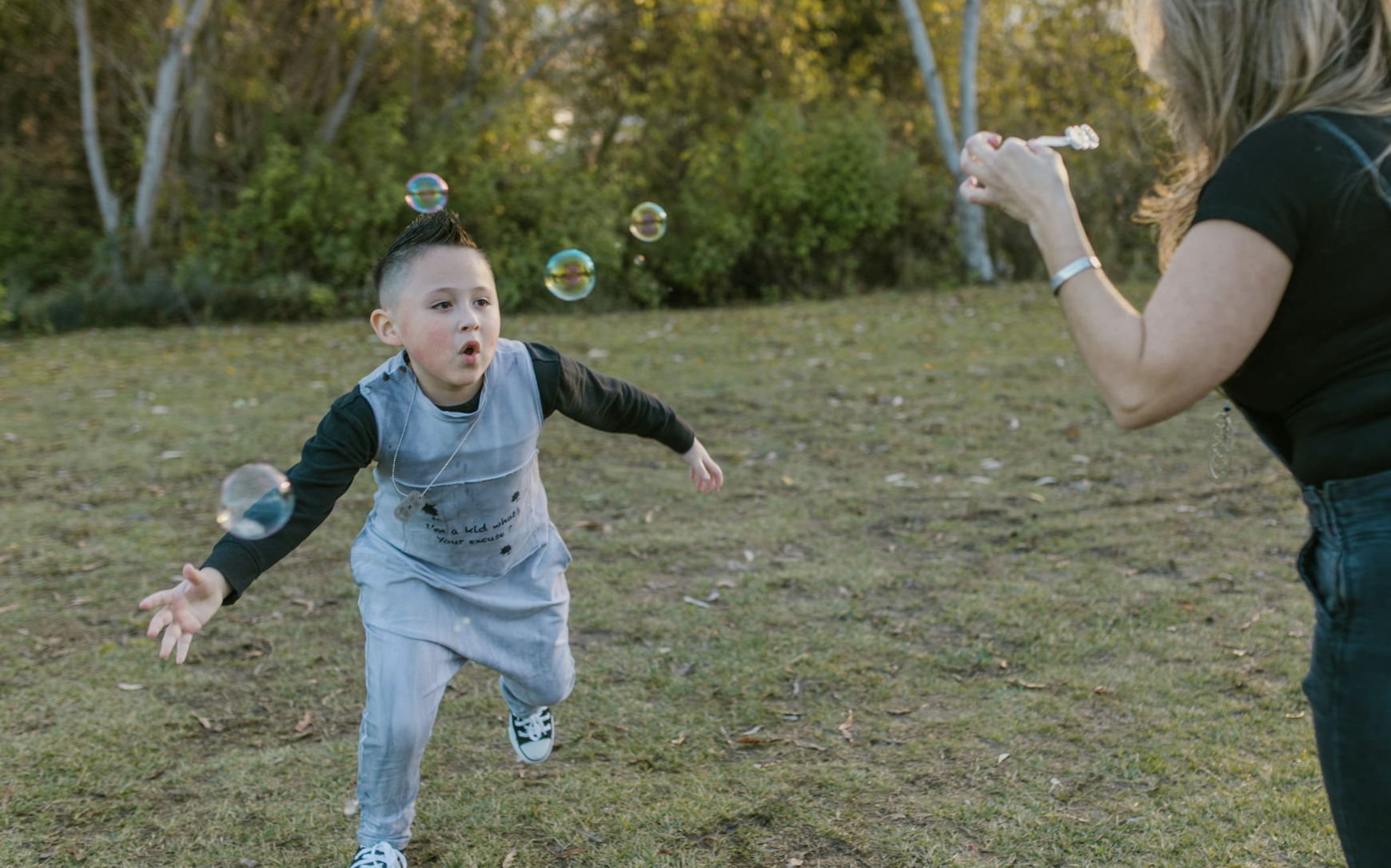
Sensory Play + ABA Therapy: How They Work Together
Sensory Play in ABA Goals
- Enhances Engagement: Sensory bins, kinetic sand, or music increase motivation and attention.
- Improves Self-Regulation: Activities like swinging, deep pressure, or fidget tools help children stay calm and focused.
- Builds Skills: Sensory exploration supports language, motor development, and critical thinking.
- Prevents Overload: Planned sensory breaks, quiet zones, or headphones reduce challenging behaviors.
Sensory-Friendly NYC Museums & Cultural Spaces
NYC is home to several sensory museums NYC families can enjoy with confidence.
-
American Museum of Natural History (AMNH)
AMNH offers early access and quiet programs such as Discovery Squad, allowing children to explore exhibits before crowds arrive, ideal for sensory friendly NYC outings.
-
Museum of Modern Art (MoMA)
MoMA’s Create Ability program provides inclusive, hands-on art experiences for individuals with intellectual and developmental disabilities.
-
Whitney Museum of American Art
The Whitney hosts sensory-friendly workshops and plain-language tours on select Saturdays before public opening, making art accessible and less overwhelming.
-
The Metropolitan Museum of Art (The Met)
The Met offers a wide range of accessibility programs. Families are encouraged to check ahead for sensory-friendly tours, quiet hours, and accommodations.
 Play & Outdoor Sensory Experiences Near NYC
-
Sensory Beans (Wantagh, Long Island)
A nonprofit indoor sensory gym for children ages 9 months to 8 years, designed specifically for sensory exploration and regulation.
-
Planting Fields Arboretum (Oyster Bay, Long Island)
Features a beautiful Sensory Garden designed for relaxation and exploration for visitors of all abilities.
-
Coney Island & NY Aquarium
While amusement parks can be overwhelming, visiting the aquarium or quieter areas of Coney Island during off-peak times can be a gentler sensory experience.
Tips for Sensory-Friendly NYC Outings
To make the most of autism events NYC and everyday outings, preparation is key.
- Go Early or Off-Peak: Visit museums before opening or on weekdays.
- Call Ahead: Ask about sensory bags, quiet spaces, or early access programs.
- Bring Sensory Tools: Headphones, fidgets, weighted items, and preferred snacks can help with regulation.
- Plan Breaks: Schedule quiet time in parks, cars, or calm areas to reset.
- Explore Nature: State parks and trails can offer calming sensory input and inspire future trips, like the Autism Nature Trail at Letchworth State Park.
How ABA Therapy Extends Into the Community
ABA therapy doesn’t stop at the clinic. Through ABA community outings, children practice real-life skills like following instructions, transitioning between activities, and managing sensory input in public spaces.
At Lighthouse ABA, children in New York and North Carolina benefit from individualized, evidence-based programs that strengthen their sensory and social skills, working memory, independence, and daily living skills. Therapists work closely with families to ensure strategies learned in therapy carry over into home, school, and community settings.
Contact Lighthouse ABA today to learn how our ABA programs in New York and North Carolina can support your child’s learning, regulation, and overall quality of life.

FAQ’s
1. What does “sensory friendly NYC” mean?
Sensory friendly NYC refers to museums, events, and public spaces designed to reduce sensory overload through quieter environments, lower lighting, structured activities, and supportive accommodations for individuals with autism and sensory sensitivities.
2. Why is sensory play important for children with autism?
Sensory play helps children with autism regulate sensory input, build brain connections, develop communication and motor skills, and manage emotions in a safe, supportive way.
3. Which sensory museums NYC families should visit?
Popular sensory museums NYC include the American Museum of Natural History, MoMA, the Whitney Museum, and The Met, all of which offer sensory-friendly hours, inclusive programs, or early-access experiences.
4. Are there autism events NYC families can attend?
Yes. Many museums and cultural institutions host autism events NYC such as sensory-friendly mornings, quiet tours, and inclusive workshops designed specifically for neurodiverse individuals.
5. How do sensory experiences support ABA therapy?
Sensory activities enhance engagement, improve self-regulation, and support skill development, helping children stay focused and calm during therapy and daily routines.
6. What are ABA community outings?
ABA community outings are therapist-supported visits to real-world settings like museums, parks, or stores, where children practice social, communication, and self-regulation skills in sensory friendly NYC environments.
7. How can families prepare for sensory-friendly outings in NYC?
Families can plan successful outings by visiting during off-peak hours, calling ahead for accommodations, bringing sensory tools like headphones or fidgets, and scheduling breaks.
8. Can outdoor spaces be sensory friendly?
Yes. Gardens, parks, and nature spaces near NYC offer calming sensory input and are excellent complements to sensory museums NYC and autism events NYC.
9. How does ABA therapy help beyond the clinic?
ABA therapy helps children apply skills learned in therapy to everyday life through structured routines, parent training, and ABA community outings, supporting independence and confidence.